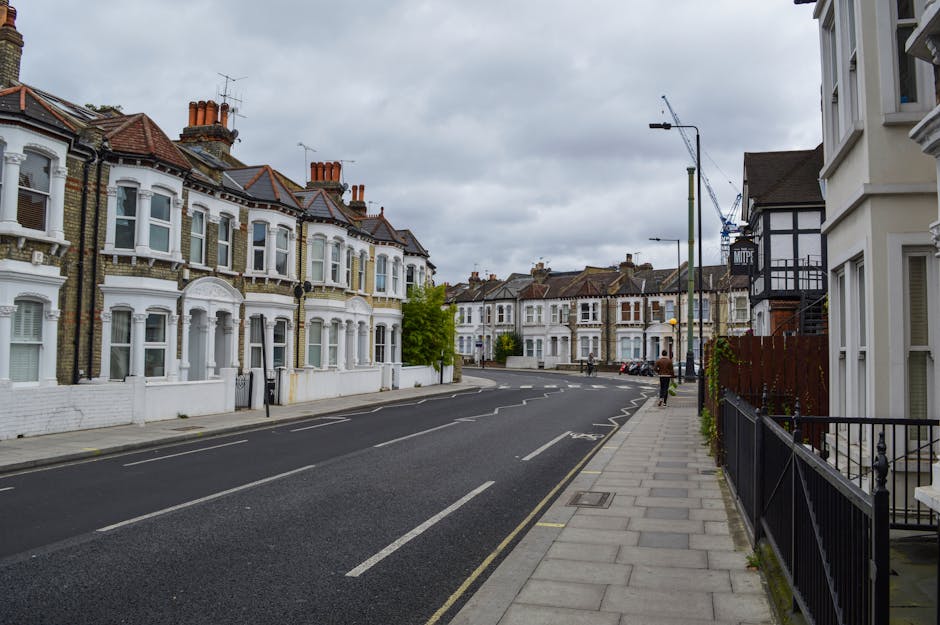
Top gardeners for flats on Plaistow Road West Ham
If you live in a flat on Plaistow Road in West Ham, keeping outdoor space tidy can feel oddly complicated. A small balcony, shared courtyard, narrow access, limited storage for tools, and neighbours just on the other side of the wall - it all changes what "good gardening" looks like. The best gardeners for flats on Plaistow Road West Ham understand that. They know how to work neatly, quietly, and efficiently, while still making the space feel cared for rather than just "done".
This guide explains what to expect from a flat-friendly gardener, which services actually matter, and how to choose the right help without overpaying or getting stuck with someone who treats your balcony like a suburban back garden. You will also find a practical checklist, a comparison table, and the sort of small real-world details that help make the decision easier. Let's face it, most people do not need a lecture - they need the right person for the job.
Why Top gardeners for flats on Plaistow Road West Ham Matters
Flat-based outdoor spaces are usually smaller, more visible, and more sensitive to disruption than a standard house garden. That means the best gardener is not just the one who can cut grass or trim a hedge. It is the one who can work with awkward layouts, shared access, limited time windows, and the practical realities of London living.
On Plaistow Road and nearby streets, many residents are managing balconies, communal planters, side access routes, roof terraces, or small courtyard spaces. These areas need a light, tidy, well-organised approach. A good gardener will notice the details that matter: drainage issues after rain, wind exposure, overgrown planters blocking light, or shrubs that are healthy but becoming far too dominant. That kind of judgement saves hassle later.
There is also the trust factor. In flats, gardening work often happens close to windows, shared entrances, or communal areas. People want reassurance that the work will be carried out respectfully, with sensible timing, proper waste handling, and care around neighbours. That is why service quality matters more than a flashy promise.
Expert summary: the best flat-gardening service is usually the one that is tidy, practical, communicative, and comfortable working in compact urban spaces. Fancy equipment is less important than good habits.
How Top gardeners for flats on Plaistow Road West Ham Works
For flats, gardening tends to work in short, focused visits rather than long all-day sessions. The gardener assesses the space, identifies what can be improved quickly, and plans work around access, noise, and disposal. In many cases, that means maintenance rather than major transformation - though sometimes a first visit reveals that the space needs a proper reset.
A typical process might look like this:
- Initial look over the space - checking what is planted, what is overgrown, what is shared, and what needs immediate attention.
- Agreeing the scope - for example, plant tidying, balcony clean-up, hedge trimming, lawn mowing where relevant, or a wider clear-out.
- Scheduling around access - especially useful where bins, door codes, stair access, or communal rules matter.
- Carrying out the work neatly - using compact tools, controlling debris, and keeping walkways clear.
- Removing waste responsibly - which is often the part people forget until they are staring at three bags of cuttings in a hallway. Not ideal.
- Ongoing maintenance plan - because small spaces can deteriorate quickly if they are ignored for even a few weeks in peak growing season.
If you need a broader service mix rather than one-off tidy-ups, it can help to look at the full service overview and match the job to the space, instead of trying to force one service into everything.
For flats, that's often the trick. Don't ask the garden to behave like a house garden. Work with what the space actually is.
Key Benefits and Practical Advantages
Hiring a strong local gardener for a flat brings benefits that are both obvious and slightly underrated. Yes, the space looks better. But there is more to it than that.
- Better use of small spaces: compact areas feel larger when dead growth, clutter, and trailing plants are managed properly.
- Less neighbour friction: a clean, controlled job means less mess in shared areas and fewer awkward conversations by the bins.
- Healthier planting: trimming, feeding, and sensible pruning help balcony or courtyard plants stay manageable.
- Safer access: clear walkways and stable pots reduce trip hazards, especially in communal settings.
- Lower stress: a maintained space is easier to enjoy after work, on weekends, or during a rare sunny morning with coffee in hand.
- Better property presentation: tidy outdoor areas tend to make a flat feel more cared for, even if the space is modest.
For many residents, the real value is consistency. A one-off tidy-up can be satisfying, but flat spaces often need regular attention to stay that way. A bit like laundry, really. Ignore it for long enough and everything becomes a bigger job than it should be.
If the job involves more than maintenance - for example replacing tired borders, refreshing communal planting, or improving awkward outside corners - landscape gardening can be a useful next step because it combines practical upkeep with smarter design choices.
Who This Is For and When It Makes Sense
This kind of gardening support is ideal for:
- flat owners who want a balcony or terrace to stay neat without doing the work themselves
- landlords who need outdoor areas kept presentable between tenancies
- letting agents managing small shared spaces
- tenants with permission to maintain planters, patios, or roof terraces
- resident groups responsible for communal courtyards or approach areas
- people with limited mobility or limited time who still want a pleasant outdoor space
It makes sense when your space has become difficult to enjoy rather than impossible to use. That is usually the tipping point. Maybe the planters are messy, the shrubs are blocking light, or the communal corner is collecting leaves and litter again. You know the feeling. It starts as "I should sort that out" and ends as "why is there moss on everything?"
It also makes sense before an event, a move, a property inspection, or the start of spring and summer, when small outdoor spaces suddenly matter a lot more. The best time to get ahead of the problem is before it starts looking tired.
Step-by-Step Guidance
If you are choosing a gardener for a flat on Plaistow Road West Ham, a simple process usually works best.
1. Define the exact space
Start by identifying what needs work: balcony pots, a roof terrace, a shared courtyard, entrance planting, or a narrow side area. Different spaces need different skills. A service that is brilliant at larger lawns may not be the best fit for compact urban work.
2. Decide whether it is maintenance or recovery
Maintenance means regular trimming, tidying, sweeping, and plant care. Recovery means a heavier intervention such as garden clearance, cutting back overgrowth, removing dead material, and restoring the space to a manageable state. If the area has been left alone for a while, a garden clearance service may be the practical first move.
3. Check access and building rules
For flats, access is often the real issue. Ask yourself: where can tools be carried in? Is there lift access? Are there time restrictions for noisy work? Does the building have shared rules for communal areas? These questions sound small, but they save plenty of frustration later.
4. Match the service to the task
Trimming, mowing, clearing, reshaping, and planting are all different jobs. For example, if a terrace includes a small strip of grass or shared green edge, lawn mowing may be part of the service. If hedges or screening plants are causing shade or clutter, hedge trimming may matter more.
5. Ask about waste and tidy finish
In flat settings, the final cleanup is not optional. It is half the job. Ask how green waste will be managed, how the working area will be left, and whether the gardener will sweep or clear communal access paths before leaving.
6. Put maintenance on a rhythm
In our experience, small spaces do best when they are maintained little and often. A regular schedule can be far more cost-effective than letting everything build up and then dealing with a bigger reset later.
Expert Tips for Better Results
Here's the part that often makes the difference between "fine" and "actually lovely".
- Choose compact planting over crowded planting. Flats do not usually have space for overambitious displays. Fewer, healthier plants often look better.
- Prioritise visibility and light. A heavy plant arrangement can make a small balcony feel boxed in. Keep taller items where they help, not where they block.
- Use pots with proper drainage. Standing water is a common mess-maker, especially after wet spells.
- Keep a small seasonal routine. A quick tidy every few weeks is easier than a big once-a-year rescue.
- Ask for controlled pruning rather than a hard chop. Overcutting can leave flat spaces looking bare and a bit sad, to be honest.
- Think about wind exposure. High or exposed flats often need sturdier plant choices and more secure containers.
Another useful tip: if you are improving the whole outdoor area rather than just maintaining it, see whether the gardener also offers landscaping support. Even small design changes - better planters, more workable layout, cleaner edges - can make a flat terrace far more usable.
And one more, slightly old-school but true: take photos before and after. Not for show, unless you want to. Mostly because it helps you see what actually changed and what needs attention next time.
Common Mistakes to Avoid
Small spaces are easy to get wrong in ways that are annoying rather than dramatic. Here are the most common ones.
- Hiring for price alone. Cheap can be fine, but the cheapest option is often the one that forgets the details.
- Not explaining access clearly. If someone has to guess which gate, stairwell, or entrance to use, the job starts badly.
- Ignoring waste removal. A tidy job that leaves rubbish behind is not really tidy.
- Using the wrong service for the task. A clearance job is not the same as regular upkeep.
- Expecting a major transformation from a quick visit. Sometimes a flat just needs maintenance. Sometimes it needs a full reset. Those are different projects.
- Overcrowding the space with too many plants. More is not always better. Sometimes it is just more.
A lot of disappointment comes from fuzzy expectations, not bad workmanship. If you are clear about the size of the space, the access, and the outcome you want, the result is usually much better.
Tools, Resources and Recommendations
You do not need a shed full of heavy equipment for flat gardening. In fact, that would be awkward. The best setups usually rely on practical, compact tools and a neat approach.
Useful tools and materials often include:
- lightweight secateurs for precise trimming
- hand shears for small hedges and shrub shaping
- compact sweepers or brushes for terraces and balconies
- bagged green waste containers for easy removal
- quality compost suitable for container planting
- sturdy pots and planters with drainage holes
- gloves and basic protective gear for messy jobs
If you are comparing services, it helps to look beyond the obvious headline task. For example, a provider that also handles garden maintenance can be a better long-term fit than one-off help, especially if your space needs regular attention rather than a single intervention.
For some buildings, sustainability also matters. If waste handling and reuse are part of your priorities, recycling and sustainability information can help you understand whether cuttings, clippings, and green waste are being dealt with sensibly.
Law, Compliance, Standards, or Best Practice
For flat gardening in London, the main compliance points are usually practical rather than dramatic. The key is to work safely, respect building rules, and avoid causing nuisance or damage. If the gardener is trimming branches or working near higher structures, they should use appropriate safety practices and not take unnecessary risks. If waste is removed, it should be handled responsibly.
When work takes place in communal spaces, a good professional will also pay attention to access, noise, and cleanliness. That means leaving corridors clear, avoiding mess on shared paths, and checking whether the building has any timing restrictions. In many situations, that simple courtesy matters as much as the gardening itself.
Insurance is another sensible question. You do not need jargon, you just need to know the gardener is covered for the kind of work being done. If something goes wrong, you want a straightforward answer, not a shrug and a long silence.
For this reason, it is sensible to ask how a business approaches safety and liability. The site's insurance and safety information is a good place to review the basics, while health and safety guidance helps show how risk is managed in everyday work. If you want to understand the company side of things too, about us is worth a look.
Options, Methods, or Comparison Table
Not every flat needs the same kind of gardening support. Here is a simple comparison to help you choose the right approach.
| Option | Best for | Typical outcome | Notes |
|---|---|---|---|
| Regular maintenance | Balconies, terrace planters, and small tidy spaces | Consistent, neat appearance | Best when the space is already in reasonable shape |
| Garden clearance | Overgrown courtyards, neglected planters, cluttered access areas | Space becomes manageable again | Often the best first step before any ongoing care |
| Landscape gardening | Spaces that need layout improvements or a smarter design | Better flow and usability | Useful when the current setup is awkward, not just messy |
| Hedge and shrub trimming | Screening plants or boundaries that are too dense | Cleaner lines and more light | Important in shared or overlooked flat spaces |
| Lawn mowing | Communal lawns or small grassed areas near flats | Cleaner, more presentable grass | Works best as part of a wider maintenance routine |
For many residents, the right answer is not one method, but a mix. A flat courtyard might need a clearance first, then regular maintenance, then a bit of landscaping to stop the same issues coming back. That layered approach usually gives the best value.
Case Study or Real-World Example
Here is a realistic example based on the kind of work commonly needed in flat settings on busy London streets.
A resident in a top-floor flat has a small terrace with three large pots, one half-dead climber, and a narrow section that collects leaves every week. The space is not unusable, but it has become one of those areas you avoid looking at properly. Rain makes the pots messy, the climber is sprawling, and the terrace feels cramped.
A sensible gardening visit would likely start with clearing dead growth, checking each planter, and reducing the overhanging plant material. The gardener would then tidy the floor area, remove waste, and suggest a better layout for the pots so the space feels open again. If one planter is too heavy for the terrace edge or too difficult to reach, that would be flagged rather than ignored. That kind of practical judgement is worth a lot.
After the work, the terrace still looks like a small urban outdoor space - not a country garden, obviously - but it feels calmer, lighter, and easier to use. The owner can step outside with tea in the morning without noticing the same mess every day. That's the real win.
Practical Checklist
Use this before you book any gardener for a flat on Plaistow Road West Ham:
- Do I know exactly which outdoor areas need work?
- Is this a maintenance job, a clearance job, or a mix?
- Have I explained access, entry, and any building restrictions?
- Do I need waste removed as part of the service?
- Have I checked whether the work affects communal areas?
- Do I want a one-off tidy or ongoing care?
- Is the gardener experienced with compact urban spaces?
- Do I need hedge trimming, mowing, planting, or broader landscaping?
- Have I asked about safety, insurance, and how the site will be left?
- Do I have a realistic expectation for the size of the space?
If you can answer most of those clearly, you are already ahead of the game. That sounds simple, but it really does make the booking smoother.
Get a free quote today and see how much you can save.
Conclusion
The top gardeners for flats on Plaistow Road West Ham are not necessarily the ones with the biggest kit or the boldest pitch. They are the ones who understand compact spaces, work neatly, respect shared living, and know how to make a small outdoor area feel cared for without overcomplicating the job.
If your flat needs a quick tidy, a proper clearance, or a longer-term maintenance plan, the best move is to match the service to the space and be clear about the result you want. Simple, yes. But not always easy. Still, once the space is under control, it changes how the whole place feels - and that matters more than people often admit.
When the balcony is neat, the courtyard is calm, or the shared planting looks alive again, the flat just feels better to come home to. And that is usually the point.
Frequently Asked Questions
What should I look for in gardeners for flats on Plaistow Road West Ham?
Look for experience with small, urban spaces, clear communication, tidy workmanship, and an understanding of access, waste removal, and shared-area etiquette. In flats, those things matter as much as the gardening itself.
Can a gardener help with balconies and roof terraces?
Yes, many gardeners can handle balconies and roof terraces, especially if the work involves pots, planters, light pruning, sweeping, and general maintenance. The key is to confirm access and the type of space before booking.
Is garden clearance useful for flat outdoor areas?
Absolutely. If a courtyard, terrace, or planter area has become overgrown or cluttered, clearance can be the best first step. After that, regular maintenance is much easier and usually more cost-effective.
How often should a flat garden be maintained?
It depends on the planting, exposure, and how quickly the space grows. Many flat spaces benefit from regular attention rather than long gaps, because compact areas can look untidy quite quickly.
Do gardeners for flats also handle hedge trimming and lawn mowing?
They can, if the flat property includes hedges, communal edges, or small grassed areas. It is sensible to ask whether the gardener offers hedge trimming and lawn mowing as part of a wider service.
What if my building has shared access or communal rules?
That is common in flats. A good gardener should work around access arrangements, respect timings, and keep communal walkways tidy. If there are any restrictions, mention them before the appointment.
Is it better to choose maintenance or landscaping?
If the space is already basically suitable and just needs regular care, maintenance is usually enough. If the layout feels awkward, overcrowded, or difficult to use, landscape gardening may be the better option.
How do I know if the work needs a full reset?
If plants are overgrown, pots are broken or overcrowded, access is blocked, or the space has been left too long, a reset may be the smartest choice. That usually starts with clearing the area and then rebuilding it in a more manageable way.
Should I ask about safety and insurance?
Yes, always. Even small jobs benefit from clear safety practices and proper insurance. You do not need a lecture on it, just a simple, confident answer from the gardener about how they work and what cover they have.
Can a gardener help make a small flat outdoor area feel bigger?
Yes. Careful pruning, smarter pot placement, lighter planting, and cleaner edges can all make a small space feel more open. Sometimes the main improvement is simply removing visual clutter.
Where can I learn more about the company before booking?
You can review the company background on about us, check practical details on pricing and quotes, and use contact us when you are ready to ask about your space.
What happens if I only need one-off help rather than regular visits?
That is perfectly normal. One-off help works well for seasonal tidy-ups, move-in or move-out jobs, or a garden that has simply got away from you a bit. A good gardener will tell you honestly whether one visit is enough or whether follow-up work would help.